Unleashing Potential: Creative Approaches to Incorporate Sliding Doors in Your Space
Sliding doors present an exceptional chance to enhance both the usability and aesthetics of a space. Their versatility ranges from enhancing room layouts with pocket designs to allowing natural light through large glass panels. These doors can seamlessly connect indoor and outdoor environments, while also acting as elegant room dividers. The potential applications are diverse, inviting a closer examination of how sliding doors can transform common living environments. What innovative solutions await discovery?
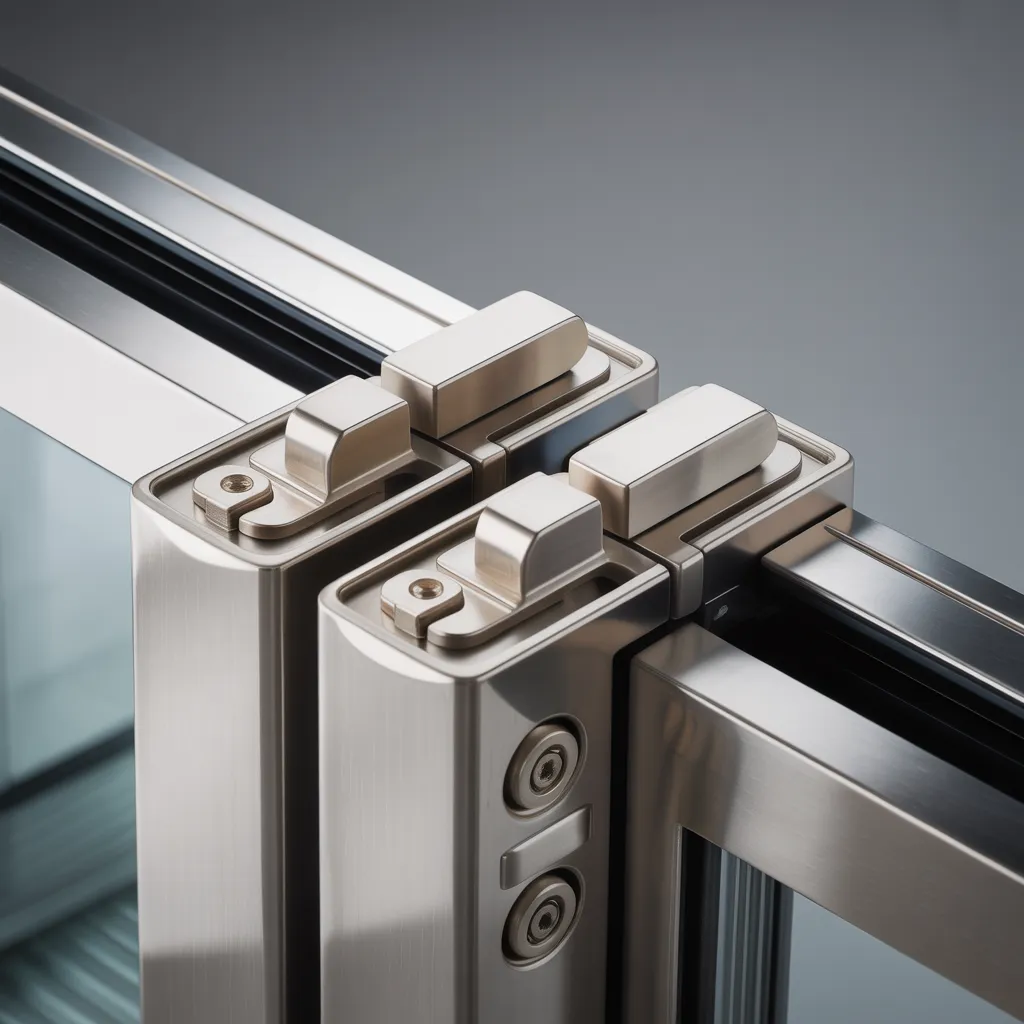
Optimizing Area Using Pocket Sliding Doors
Even though space constraints can constrain design choices in more modest homes, pocket sliding doors offer an creative solution for maximizing existing areas. These doors slide effortlessly into the wall, eliminating the need for swing space that traditional doors need. This feature permits homeowners to make use of every inch of their living space efficiently, making rooms appear more spacious and more open.
In addition to their space-saving advantages, pocket sliding doors can create flexible layouts. They enable easy shifts between rooms, enabling areas to be joined or separated depending on the homeowner's needs. For example, a dining area can connect to a living space, while still offering the option for privacy when desired.
The versatility of pocket sliding doors also extends to various materials and finishes, which makes them ideal for various design styles. All things considered, they serve as a practical choice for those seeking to enhance functionality without sacrificing style in limited spaces.

Improving Natural Light With Glass Sliding Doors
Pocket sliding doors both maximize space and elevate the flow of natural light within a home. By incorporating glass panels, these doors let sunlight to filter into rooms, creating an inviting atmosphere. This design option eliminates the barriers typically created by traditional doors, fostering a bright and airy feel.
In spaces with limited natural light, glass sliding doors can be extremely helpful. They successfully join spaces, such as living rooms to hallways or dining areas, ensuring that light moves without restriction. In addition, their transparency can help separate sections without closing them off, upholding a sense of openness.
In addition, utilizing frosted or tinted glass can add privacy while still letting light to filter through, establishing a balance between illumination and seclusion. Ultimately, glass sliding doors can transform a home, making it feel more expansive and more connected to its surroundings by harnessing the power of natural light.
Crafting Smooth Indoor-Outdoor Passages
When property owners want to blend the divisions between their indoor and outdoor spaces, sliding doors serve as an ideal solution. These versatile installations establish a seamless connection, letting natural light to illuminate interiors while offering unobstructed views of the outdoors. By including expansive glass panels, sliding doors amplify the feeling of openness, making spaces appear more spacious and more inviting.
Furthermore, homeowners can select from different styles and materials to complement their property style, whether modern or traditional. When fully opened, sliding doors create a unified flow, enabling easy access for entertaining or relaxing in a garden or patio area. This connection fosters a harmonious environment, where indoor and outdoor living can integrate effortlessly.
Furthermore, the capacity to integrate screens or shades boosts usability, guaranteeing comfort regardless of weather conditions. Eventually, sliding doors redefine borders, turning homes into tranquil retreats that celebrate the beauty of nature.
Elegant Room Dividers for Open Layout Living
Sliding doors act as elegant room dividers in open concept living spaces, successfully defining areas while preserving an airy atmosphere. They present a sleek, modern aesthetic that complements multiple design styles, from contemporary to rustic. By picking frosted or patterned glass panels, homeowners can obtain privacy without sacrificing light flow.
Furthermore, sliding doors can be modified with finishes such as wood or metal to complement the entire decor. When employed to separate dining and living areas, these adaptable dividers can form distinct zones for socializing and relaxation, all while keeping the space appearing cohesive.
Including sliding doors also allows for flexibility; they can be adjusted based on the event, making them an perfect choice for those who value adaptability in their living setting. Ultimately, sliding doors not only optimize space but also elevate the style quotient of open concept homes.
Creative Storage Solutions Using Sliding Doors
While traditional closet doors can consume valuable floor space, modern solutions using sliding doors can increase storage and elevate accessibility. Sliding doors, with their streamlined design, enable closet spaces to remain open and functional without the obstruction typical of copyrightd doors. They can be customized to fit various styles, from mirrored finishes that create the illusion of a larger room to wooden panels that add warmth and texture.
These door systems can also feature built-in shelving or compartments, converting a standard closet into an organized haven. For smaller spaces, pocket sliding doors are especially practical, as they vanish into the wall, freeing up important floor area. In addition, using sliding doors in walk-in closets can enhance visibility and ease of access, making it easy to view and retrieve items. On the whole, sliding doors provide a modern solution for maximizing closet functionality while enhancing the aesthetic appeal of any room.
Common Questions
What Materials Are Best for Sliding Doors in Areas with Heavy Foot Traffic?
Long-lasting materials like tempered glass, solid wood, and metal are ideal for sliding doors in high-traffic areas. These choices deliver both strength and aesthetic appeal, providing long-lasting performance and elegance under frequent use.
How Can I Ensure My Sliding Doors Are Energy Efficient?
To guarantee energy efficiency, it's important to select sliding doors with two-pane or three-pane glazing, insulated frames, and proper weather stripping. Moreover, securing tight seals and considering low-emissivity coatings can substantially reduce energy loss.
Are There Safety Concerns With Glass Sliding Doors?
Yes, there are safety concerns with glass sliding doors, including the risk of shattering, take the first step potential injury from sharp edges, and security vulnerabilities. Proper installation, use of tempered glass, and childproof locks can mitigate these risks.
Should I Install Sliding Doors Myself or Hire a Professional?
One could handle sliding door installation personally if they have the proper skills and tools. Nonetheless, bringing in a professional is advisable for superior results, delivering precise installation, safety, and conformity to building codes and regulations.
Which Styles of Sliding Doors Are in Vogue Right Now?
Today, in-demand designs of sliding doors include sophisticated frameless styles, countryside barn doors, and contemporary glass panels. These selections serve various aesthetics, merging functionality with modern and classic elements to enhance interior spaces attractively.